Residential vs. Commercial Roofing: Key Differences Every Property Owner Should Know
If you own both a home and a commercial property, or if you are a property manager responsible for multiple building types, you already know that not all roofing is the same. Residential and commercial roofing involve different materials, different installation techniques, different maintenance schedules, and different regulatory considerations. Hiring a contractor who specializes in one but not the other can lead to costly mistakes. Here is a breakdown of the key differences and what they mean for you as a property owner.
Roof Pitch and Design
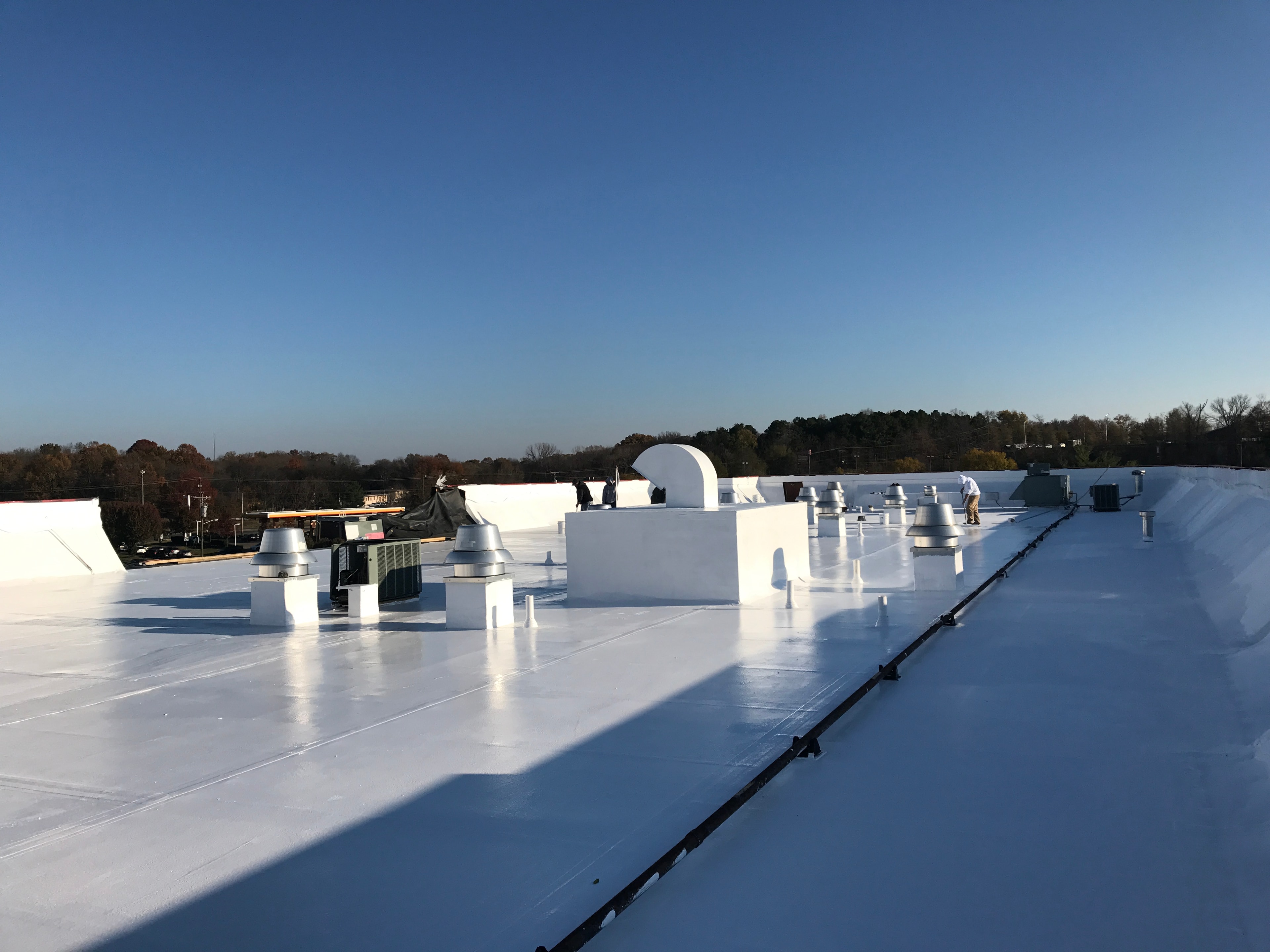
The most obvious difference between residential and commercial roofing is the pitch of the roof. Residential roofs are typically steeply pitched, which allows water to run off quickly and makes asphalt shingles the dominant material choice. Commercial roofs are often low-slope or flat, which requires a completely different approach to waterproofing and drainage. Low-slope roofs cannot use traditional shingles because water does not drain fast enough to prevent pooling. Instead, they rely on membrane systems, coatings, or built-up roofing assemblies designed to handle standing water.
Materials
Residential roofing is dominated by asphalt shingles, with metal roofing growing in popularity for its longevity and energy efficiency. Commercial roofing uses a much wider range of materials depending on the building type, climate, and budget. Common commercial roofing materials include TPO (thermoplastic polyolefin), EPDM (ethylene propylene diene monomer), PVC membranes, modified bitumen, built-up roofing (BUR), and silicone or acrylic coatings. Each has its own performance characteristics, installation requirements, and maintenance needs.
Installation Complexity
Commercial roofing installations are generally more complex than residential ones. They often involve more penetrations for HVAC equipment, plumbing vents, and electrical conduits, all of which need to be properly flashed and sealed. The scale of commercial projects also introduces logistical challenges around material handling, crew coordination, and minimizing disruption to the building's occupants or operations. Commercial roofing contractors need specialized training and equipment that goes beyond what is required for residential work.
Maintenance Requirements
Both residential and commercial roofs require regular maintenance, but the specifics differ. Residential roofs benefit from annual inspections, gutter cleaning, and prompt attention to any damaged shingles or flashing. Commercial roofs, particularly low-slope membrane systems, require more frequent inspections because water has nowhere to go if the drainage system is compromised. Ponding water is one of the leading causes of commercial roof failure, and catching drainage issues early is critical. Commercial roofs also tend to have more equipment on them, and the areas around HVAC units and other penetrations need regular attention.
Why It Matters Who You Hire
Not every roofing contractor is qualified to work on both residential and commercial properties. A contractor who primarily does residential shingle work may not have the experience or equipment to properly install a TPO membrane or apply a silicone coating system. At 4 Square Roofing, we handle both residential and commercial roofing throughout Middle Tennessee. Our team is trained and equipped for the full range of roofing systems, and we bring the same commitment to quality and customer service to every project regardless of size.
Need roofing services for a residential or commercial property in Middle Tennessee? Contact 4 Square Roofing for a free inspection and honest assessment.
More Roofing Resources
Browse more expert guides and tips from the 4 Square Roofing team.
View All Articles