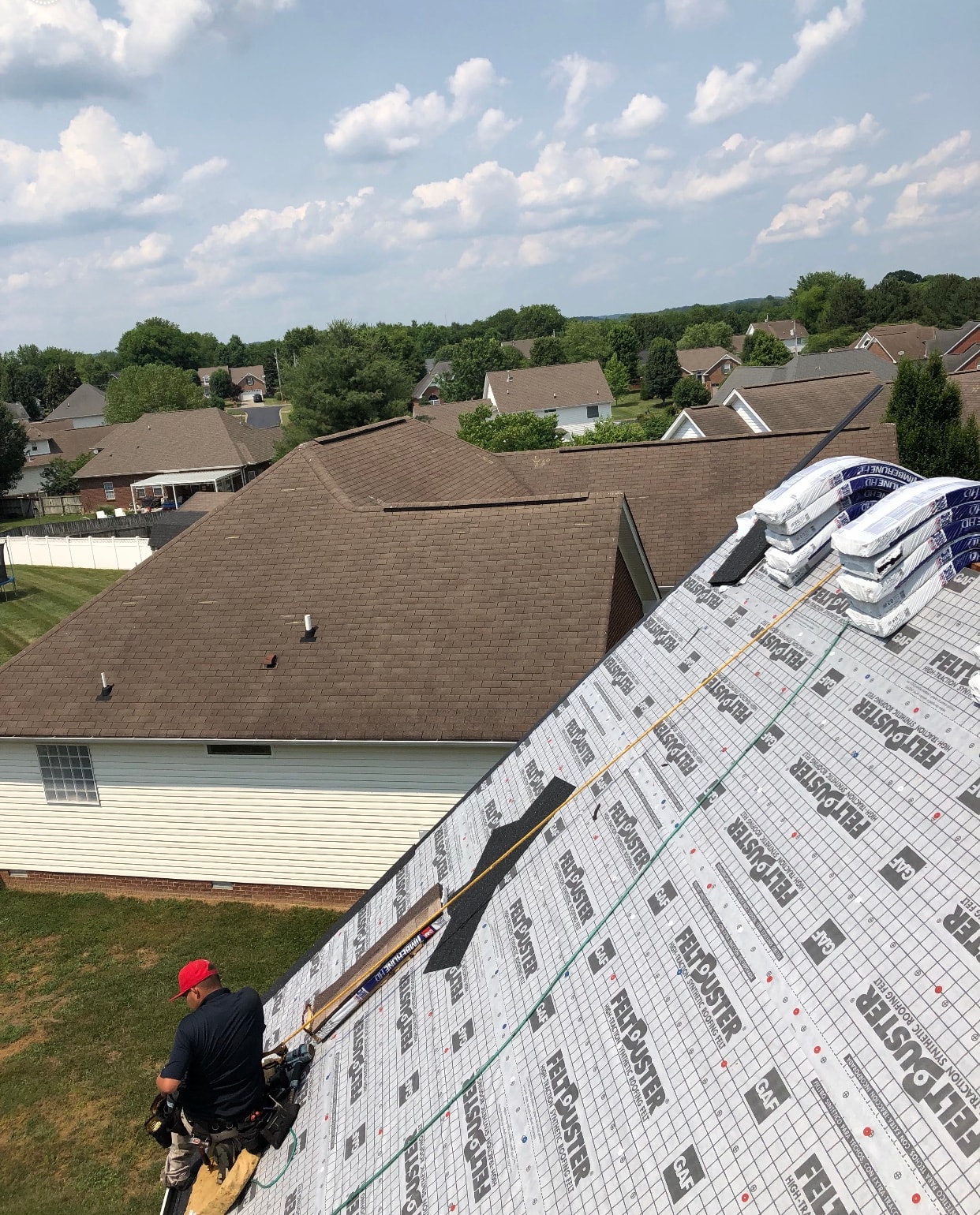
One of the most common questions homeowners ask us is whether they need a full roof replacement or whether a repair will do the job. The honest answer is that it depends on the age of the roof, the extent of the damage, and the overall condition of the system. A repair makes sense when the damage is isolated and the rest of the roof has plenty of life left. But there are situations where continuing to repair an aging or compromised roof is throwing good money after bad. Here are five signs that it is time to stop patching and start planning for a replacement.
Your Roof Is 20 to 25 Years Old
Most asphalt shingle roofs are designed to last between 20 and 30 years, depending on the quality of the materials, the installation, and how well the roof has been maintained. If your roof is approaching or past the 20-year mark, even if it looks okay from the ground, it is likely nearing the end of its effective lifespan. The underlying components, including the decking, underlayment, and flashing, age along with the shingles. At a certain point, the cost of ongoing repairs starts to approach or exceed the cost of replacement, and a new roof simply makes more financial sense.
Widespread Shingle Damage
A few damaged shingles in one area can usually be replaced without touching the rest of the roof. But when shingle damage is widespread, covering multiple sections or a significant percentage of the total roof area, replacement is almost always the better option. Widespread damage typically indicates that the shingles have reached the end of their useful life and are failing across the board. Signs include curling or cupping at the shingle edges, widespread granule loss, cracking, and shingles that are brittle or breaking apart.
Sagging or Structural Issues
A sagging roofline is a serious warning sign that should never be ignored. It typically indicates that the decking or structural supports beneath the shingles have been compromised, often due to long-term moisture intrusion. This is not a repair situation. Sagging means the structural integrity of the roof has been affected, and a full replacement, including the decking, is usually required. If you notice any areas of your roof that appear to dip or bow, contact a roofing professional immediately.
Recurring Leaks in Multiple Areas
A single leak in one location can often be traced to a specific cause and repaired. But if you are dealing with leaks in multiple areas of your home, or if the same area keeps leaking despite repeated repairs, the roof system as a whole is likely failing. At that point, you are not dealing with isolated damage but with a roof that can no longer do its job. Continuing to patch it will not solve the underlying problem and will only delay the inevitable while allowing water damage to accumulate inside your home.
Significant Storm or Hail Damage
A severe hailstorm or major wind event can cause enough damage to justify a full replacement, even on a relatively newer roof. When hail strikes are widespread across the entire roof surface, the shingles have been compromised in a way that cannot be addressed by replacing individual sections. In these cases, your homeowner's insurance may cover the cost of a full replacement. Our team works directly with insurance adjusters and can help you document the damage and navigate the claims process to make sure you get the coverage you are entitled to.
Not sure whether you need a repair or a full replacement? Schedule a free inspection and we will give you an honest assessment with no pressure.
More Roofing Resources
Browse more expert guides and tips from the 4 Square Roofing team.
View All Articles